IDG Integration Within Aircraft Electrical Systems Boosts Reliability: Your Expert Guide
Imagine soaring through the sky, thousands of feet above the earth. Every system onboard—from flight controls and navigation to cabin lights and entertainment—demands a constant, unwavering supply of electricity. This isn't magic; it's the meticulous work of systems like the Integrated Drive Generator (IDG) integration within aircraft electrical systems, a marvel of engineering that ensures your flight remains smooth, safe, and powered.
At its core, an IDG is the unsung hero quietly converting the raw mechanical power of the aircraft's engines into the precise electrical energy every modern aircraft relies on. It’s a complex, robust, and utterly critical component, designed to deliver consistent power even under the most demanding conditions. But what makes it so pivotal, and what does it take to keep these powerhouses performing flawlessly?
At a Glance: Powering Your Flight
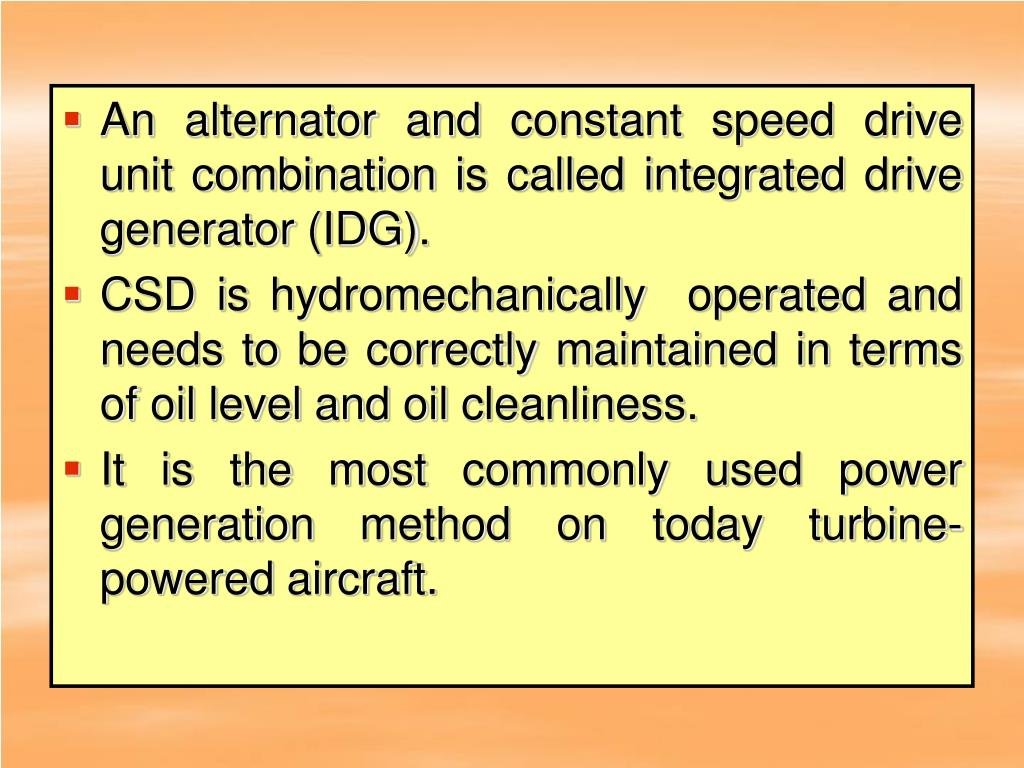
- What it is: A combined generator and constant speed drive, converting engine power into stable electrical current.
- Why it's crucial: Provides consistent, high-quality power for all aircraft systems, from cockpit to cabin.
- Reliability Boost: Its integrated design means fewer components, higher efficiency, and inherent redundancy.
- The unsung hero: Special oil is vital for cooling, lubrication, and precise speed regulation.
- Maintenance matters: Correct oil levels and purity are non-negotiable for safety and longevity.
- Your role: Understanding IDG mechanics and meticulous servicing are key to operational excellence.
What Powers Your Flight? Unpacking the Integrated Drive Generator (IDG)
When you consider the vast electrical needs of a modern aircraft, a simple generator just won't cut it. That's where the Integrated Drive Generator, or IDG, steps in. Think of it as a sophisticated power plant tucked neatly onto an aircraft engine. Unlike a basic car alternator, an IDG isn't just generating electricity; it's generating stable, consistent electricity, regardless of whether the engine is idling on the tarmac or thrusting at full power during takeoff. This stability is non-negotiable for sensitive avionics and crucial flight systems.
For a deeper dive into the fundamental concepts of these critical components, you might want to read our comprehensive guide on Understanding integrated drive generators.
The Genius Under the Hood: How an IDG Works
The brilliance of the IDG lies in its integration—combining two essential functions into one streamlined unit. This design is what makes it so reliable and efficient. Let's break down its key players:
The Generator: Turning Motion into Watts
At its heart, the generator itself is an electrical workhorse. Mounted to the engine's Accessory Gearbox, it takes that mechanical input and, through the magic of electromagnetic induction, transforms it into three-phase electrical energy. Picture a spinning magnet within coils of wire – that's the basic principle. The output is a robust flow of electrical power, ready to energize everything from your navigation displays to the coffee maker in the galley.
The Constant Speed Drive (CSD): The Great Stabilizer
Here's where the "integrated drive" part comes in. Aircraft engines don't run at a single, fixed speed; their RPMs constantly change based on flight phase and pilot input. However, aircraft electrical systems demand a very precise, fixed frequency (typically 400 Hz) to operate correctly.
This is the CSD's moment to shine. Using a clever system of gears and bearings, often employing a hydraulic differential, the CSD converts the engine's variable rotational speed into a fixed rotational speed for the generator. It's like having an automatic transmission for your electrical power—no matter how fast or slow the engine spins, the generator always rotates at the optimal speed, ensuring a perfectly stable frequency for the entire aircraft network.
The Control System: The Brain Behind the Brawn
An IDG isn't a "set it and forget it" device. A sophisticated control system constantly monitors and regulates both the generator and the drive unit. It's the silent guardian, ensuring everything operates within safe parameters and delivers the desired power levels. This includes vital safety features such as:
- Over-speed protection: Preventing the generator from spinning too fast, which could cause catastrophic damage.
- Fault detection: Continuously scanning for issues like overheating, voltage fluctuations, or frequency deviations.
- Parameter monitoring: Keeping a watchful eye on critical factors like temperature, voltage, and frequency, alerting the crew or maintenance if something is amiss.
This intelligent oversight is fundamental to the IDG's high reliability, allowing it to adapt to varying engine loads and environmental conditions with precision.
More Than Just Lubrication: The Critical Role of IDG Oil
If the IDG is the heart of the aircraft's electrical system, then its specialized oil is the lifeblood. This isn't just any oil; it's a high-performance hydraulic fluid specifically engineered for the extreme demands of IDG operation. Its role goes far beyond simple lubrication:
- Cooling: IDGs generate significant heat during operation. The oil circulates, absorbing this heat and transferring it away from critical components, preventing overheating and extending component life.
- Lubrication: As with any complex machinery, the gears, bearings, and other moving parts within the IDG and CSD require constant lubrication to reduce friction and wear. The oil creates a protective film, ensuring smooth operation.
- Speed Regulation (Hydraulic Function): Crucially, the oil acts as a hydraulic fluid within the CSD, enabling it to mechanically regulate the generator's rotational speed. This is how the CSD achieves its "constant speed" magic, adapting to varying engine inputs.
The reliability and efficiency of an IDG are directly tied to the cleanliness and correct quantity of this vital oil. A dedicated IDG oil system, complete with an external cooling circuit and oil cooler, ensures the oil is always at its optimal temperature and condition. Any contamination—from water to dust—can rapidly degrade the oil, leading to premature filter clogging, excessive wear on internal components, and dangerous overheating.
That’s why impeccable hygiene practices, like keeping oil cans and tools clean and dry, are paramount during servicing. When in doubt, a new, sealed can of oil is always the best choice.
Why Every Amp Matters: The Indispensable Value of IDG Integration
The IDG isn't just another part; it's a cornerstone of modern aircraft operations. Its integrated design and robust performance offer several profound benefits that directly contribute to overall aircraft safety and efficiency:
Reliable Power Generation: Unwavering Current
From the moment an aircraft powers up until it shuts down, IDGs provide a consistent, high-quality flow of electrical power. This uninterrupted supply is critical for every onboard system: flight controls, navigation, communication, lighting, environmental systems, and more. Even in the face of harsh conditions—scorching desert heat, extreme vibrations, or the thin air of high altitudes—the IDG is engineered to perform without fail, safeguarding flight integrity.
Redundancy and Backup Power: A Safety Net in the Sky
Most large aircraft are equipped with multiple IDGs, often one per engine. This isn't just about sharing the load; it's a vital safety measure built on the principle of redundancy. If one engine or its associated IDG fails, the remaining IDGs can often pick up the slack, ensuring essential systems remain powered.
In some scenarios, an IDG can even function as an integrated auxiliary power unit (APU) backup, providing emergency power to critical systems in the event of a main electrical power loss. This robust backup capability adds an invaluable layer of safety, allowing crews to manage unexpected situations with greater confidence.
Efficiency and Weight Savings: The Fuel-Saving Advantage
By combining the generator and the drive unit into a single, compact device, IDGs inherently reduce the number of separate components, hoses, and connections required. This integration translates directly into:
- Minimized energy losses: A more direct power transfer pathway means less wasted energy.
- Increased overall system efficiency: Optimized design leads to better performance per unit of fuel.
- Significant weight savings: Fewer parts mean a lighter aircraft, which directly improves fuel efficiency and allows for greater payload capacity.
In an industry where every pound and every drop of fuel counts, the IDG's integrated design offers a tangible economic and environmental benefit.
Keeping the Power Flowing: A Guide to IDG Servicing
Maintaining the IDG's health, particularly its oil system, is not merely routine—it's an exacting science critical to aircraft safety and longevity. Proper servicing ensures the IDG can continue to provide reliable, high-quality electrical power throughout its operational life.
Why Service? Filling the Lifeblood
IDG servicing primarily revolves around its oil system, aiming to fill all circuit cavities with oil, expel any trapped air, and set the oil level precisely. You’ll typically need to service an IDG for these reasons:
- Initial Filling: When installing a new or replacement IDG, it needs to be filled from a drained state.
- Topping Up: If the oil level, as indicated by the sight glass, is below the optimum range.
- Post-Component Replacement: After changing a scavenge filter element or any component within the IDG oil cooling system, which might lead to oil loss or the introduction of air.
The Risks of "Just Enough" Oil: Too Much, Too Little
The IDG's reliability is acutely sensitive to its oil level. There's a "Goldilocks zone" for oil, and straying from it can have severe consequences:
- Too Much Oil: Overfilling increases the IDG's operating temperature, placing undue stress on components. Critically, it risks causing the IDG to disconnect itself during flight, leading to a loss of a primary power source.
- Low Oil Quantity: Insufficient oil can lead to low oil pressure, compromised lubrication and cooling, and electrical frequency fluctuations. In extreme cases, this can result in generator loss in flight, triggering alarms and burdening both maintenance and flight crews. Modern aircraft often have oil level sensors that will flag a low level (even within the lower part of the green band) with alerts and lights.
Before You Grab That Can: Essential Safety First Steps
Servicing an IDG is not a task to be rushed or taken lightly. Adhering to strict safety precautions is paramount:
- Heat Hazard: Engine components, including the IDG, can remain dangerously hot for up to an hour after engine shutdown. Always allow adequate cooling time.
- Personal Protective Equipment (PPE): Wear appropriate gear—goggles to protect your eyes, insulated gloves to guard against hot surfaces and oil, and other protective clothing. Hot oil can cause severe burns; if contact occurs, seek immediate medical attention.
- Oil Level Warning: Never operate an IDG with too much or too little oil. This is a direct path to component damage and potential in-flight failure.
- Oil Purity is Gold: Always, without exception, use new, sealed cans of approved IDG oil. Contamination from open cans, dirty filling equipment (pumps, hoses, tanks, funnels), or even airborne dust can rapidly deteriorate the oil's properties and drastically shorten the IDG's lifespan.
- Cleaning Solvents: When cleaning filling equipment, strictly avoid chlorine-containing solvents. Chlorine contamination can severely degrade the IDG oil.
- Approved Lubricants Only: Use only the specific types and brands of lubricants approved by the aircraft manufacturer. Never mix different types or brands, as chemical incompatibilities can lead to system failures.
- Defective IDG: Do not attempt to service an IDG that has been disconnected due to a fault. Continued operation or attempting to force it back online can worsen existing damage.
- Always Consult the AMM: The Aircraft Maintenance Manual (AMM) is your bible. Follow its step-by-step procedures precisely. It contains aircraft-specific details and critical warnings that override general advice.
Tools of the Trade: What You'll Need
Having the right equipment, kept in pristine condition, is non-negotiable for a successful IDG oil service:
- CONTAINER (10 Liters): For collecting overflow and drained oil.
- FILLING EQUIPMENT – TANK OIL: A specialized pump and reservoir for clean oil.
- DRAINING HOSE: A dedicated hose for connecting to the overflow port.
- WARNING NOTICES: For placing in the cockpit and around the engine to prevent accidental activation.
- IDG OIL CANS: New, sealed containers of approved IDG oil.
Setting the Stage: Job Setup & Aircraft Precautions
Before touching the IDG, carefully prepare the aircraft environment:
- Ground Power: Energize the ground service network to power aircraft systems for necessary checks and lighting.
- Safety Notices: Place a clear WARNING NOTICE on the center pedestal in the cockpit, indicating "NO ENGINE START" to prevent inadvertent engine activation.
- Engine Cooling: Verify that engine shutdown occurred at least 5 minutes prior to allow initial cooling.
- FADEC Power Off: On the overhead maintenance panel (e.g., 50VU), ensure the "ON" legend of the ENGINE/FADEC GND PWR pushbutton switch is off. Place another WARNING NOTICE nearby, instructing "NO ENERGIZING SERVICING ENGINES FADEC."
- Overflow Containment: Position a clean container directly under the IDG to collect any overflow oil.
- Depressurization & Hose Connection: Carefully remove the dust cap from the IDG's overflow drain port. Connect the approved overflow drain hose fitting. This action will depressurize the IDG, and some oil may start to drain out. Ensure the hose is not bent or kinked and its end is not immersed in the collecting container, as this could create back pressure. Point the hose into the container to safely direct any hot oil spray. Crucially, use only the approved overflow drain-hose fitting to avoid damaging the delicate half-coupling seat.
The IDG Oil Change: A Step-by-Step Procedure for Precision Power
Once safety and setup are complete, proceed with the filling process:
- Pressure Fill Port Access: Remove the dust cap from the pressure fill port on the IDG.
- Pump Connection: Connect your clean filling pump to the pressure fill port.
- Controlled Filling: Begin filling the IDG with oil, ensuring the pressure does not exceed a maximum of 35 PSI. Monitor the pressure gauge carefully.
- Prevent Air Introduction: Maintain sufficient oil in your filling equipment's reservoir throughout the process to prevent air from being inadvertently pumped into the IDG system.
- Monitor Oil Condition: If your filling equipment has a transparent tube, use it to visually monitor the oil for any signs of contamination during filling.
- Circuit Filling: The oil will circulate from the pressure fill port, through the internal filter, the external cooling circuit, the oil cooler, back through the external circuit, and finally into the IDG case itself.
- Overflow Indication: Continue pumping until the IDG case is completely filled. Once the oil level exceeds the top of the overflow standpipe, oil will begin to flow out through the overflow drain port into your collection container.
- Expel Air: Don't stop pumping immediately. Continue to pump oil for a short period after overflow begins to ensure the entire circuit is completely filled and any residual air pockets are expelled.
- Stop Pumping: Discontinue pumping when the collected overflow quantity exceeds 1 liter or 1 US Quart. Oil will continue to trickle out until the internal level naturally settles at the top of the overflow standpipe.
- Disconnect & Cap (Pressure Port): While oil is still overflowing slightly, remove the pressure fill hose. Immediately install the dust cap securely on the pressure fill port. The oil level will then stabilize at its optimum level—which is precisely the top of the green band on the sight glass—as it matches the height of the overflow standpipe.
- Disconnect & Cap (Overflow Port): Once only occasional drops of oil are coming out of the overflow drain, disconnect the overflow drain hose and install its dust cap.
Post-Service Checklist: Sealing the Deal on Reliability
Your work isn't done once the caps are back on. Crucial post-servicing checks ensure proper oil circulation and accurate level readings:
- Oil Circulation: To thoroughly circulate the oil and ensure all internal cavities are filled, perform an engine dry motoring procedure, or start the engine at idle for at least 2 minutes.
- Settle Time: After running, allow the oil level to settle for a minimum of 5 minutes. During this period, the level might appear slightly above the green band due to thermal expansion, or it might drop slightly as any remaining trapped air escapes.
- Final Check: Recheck the oil level sight glass. It should now be at the optimum level (within the green band).
- Caution on Readings: If dry-motoring the engine, be aware that the oil level will only stabilize after a full 30 minutes. Taking incorrect readings before this stabilization period can lead to unnecessary oil additions, which, as we know, carries a significant risk of IDG failure. Patience here is key to preventing overfilling.
Good servicing is not just a procedure; it's a commitment to the IDG's performance, directly impacting the safety and efficiency of every flight.
Beyond the Basics: Common IDG Questions & Key Takeaways
You've learned the mechanics and the meticulous steps for servicing, but let's address a few more aspects of IDG integration:
Can an IDG be repaired, or does it always get replaced?
Many IDG components, particularly within the CSD and generator, can be overhauled or repaired by specialized facilities. However, the decision to repair versus replace often depends on the extent of the damage, cost-effectiveness, and availability of parts and expertise. For major internal failures, a full replacement unit might be more economical or operationally sound.
What are the signs of an IDG problem in flight?
Aircraft systems are designed to detect IDG faults quickly. Pilots might see warning lights (e.g., "IDG FAULT," "GEN OFF"), observe voltage or frequency fluctuations on electrical panels, or receive alerts from the Electronic Centralized Aircraft Monitor (ECAM) or Engine Indication and Crew Alerting System (EICAS). Low oil pressure warnings are also a critical indicator.
How often do IDGs need servicing?
The frequency of IDG servicing, specifically oil checks and changes, is dictated by the aircraft's maintenance schedule, which is based on flight hours, cycles, or calendar time, as well as operational conditions. The AMM provides precise intervals, which must be strictly followed.
Staying Compliant: Regulatory Standards for IDGs
Given their critical role, IDG systems are subject to stringent regulatory oversight. In Europe, for example, IDG systems are comprehensively covered under EASA Part 66 Module 11 A, specifically within the Electrical Systems (ATA 24) section. These regulations ensure that design, manufacturing, maintenance, and personnel qualifications meet the highest safety and performance standards. Compliance is not just a legal requirement but a fundamental pillar of airworthiness.
Powering Tomorrow's Skies: The Evolving Role of IDGs
As aircraft designs become more "electric," with an increasing reliance on electrical power for formerly hydraulic or pneumatic systems, the role of IDGs will only grow. Future innovations may see even higher power outputs, greater efficiency, and more sophisticated control systems, further cementing the IDG's position as a cornerstone of aircraft electrical architecture. The continuous drive for fuel efficiency and reduced emissions also pushes for lighter, more powerful, and even more reliable generators.
Your Mission, Should You Choose to Accept It: Ensuring Peak IDG Performance
The Integrated Drive Generator is a testament to sophisticated engineering, seamlessly delivering consistent power that keeps complex aircraft systems running. Its reliable performance, redundancy features, and efficiency gains are fundamental to modern aviation safety and economics. But like any high-performance component, its longevity and dependability hinge on meticulous attention, particularly to its vital oil system.
By understanding how IDGs work, adhering to strict safety protocols, and meticulously following servicing procedures, you are not just performing a task—you are directly contributing to the safety, reliability, and operational excellence of every flight. Keep those powerhouses performing flawlessly, and they will continue to deliver the steady stream of electricity that makes flight possible.